Browse Public Registry Archives for 3444865214, 3888727620, 3486102193, 3792844155, 3501456150

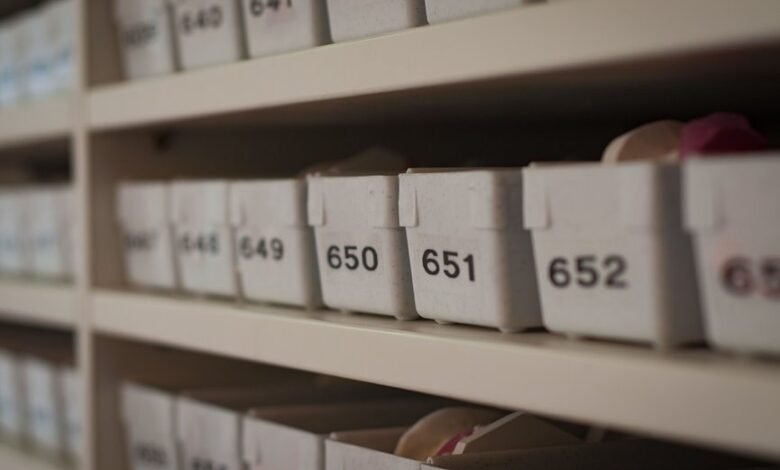
A methodical approach will be used to browse Public Registry Archives for identifiers 3444865214, 3888727620, 3486102193, 3792844155, and 3501456150. Each ID will be isolated, then queried in the registry interface with precise timestamps to document progress. Document types, metadata, and clerks’ notes will be interpreted to verify authenticity and ownership changes. A coherent timeline will be assembled, noting gaps or ambiguities that warrant further verification. The outcome hinges on careful cross-referencing and systematic verification.
What You’ll Find in Public Registry Archives for These IDs
Public Registry Archives corresponding to the listed IDs typically aggregate official records tied to corporate, property, or governmental filings. The records skew toward objective documentation, revealing ownership history and related transactions. Archival research skills enable precise interpretation of titles, liens, and amendments. The collection supports systematic verification, cross-referencing, and contextual analysis, aiding independent readers in credible, freedom-oriented scrutiny of public accountability.
How to Search Efficiently: Step-by-Step for Each Identifier
To search efficiently, begin by isolating each identifier and confirming its exact format before accessing the registry interface. The method proceeds identically per ID, ensuring consistent inputs and results. Record results, compare timestamps, and note discrepancies. This disciplined process enhances search efficiency and supports timeline analysis, enabling clear, auditable progress across multiple records without extraneous steps or ambiguities.


Interpreting Common Document Types and What They Reveal
The analysis now shifts to interpreting common document types and the information they disclose. Document formats reveal structure, authenticity cues, and archival metadata that contextualize ownership records. Filing trends and clerk notes illuminate workflow and timing, while ownership shifts reflect transactional dynamics. Search strategies rely on metadata patterns, cross-referencing identifiers, and consistent naming, ensuring precise interpretation without extraneous speculation.
Connecting the Dots: Building a Timeline and Ownership Story
Undoubtedly, constructing a coherent timeline and ownership narrative requires methodical synthesis of disparate records, linking events, transfers, and document dates into a continuous arc. The process emphasizes connecting timelines, tracing document provenance, and identifying archival gaps, enabling clear ownership narratives. Meticulous cross-referencing clarifies how title transfers, registries, and filings interlock, while remaining mindful of missing data and potential ambiguities.
Conclusion
In the end, the registry records reveal a steady pattern of transfers, filings, and verifications, and the timeline unfolds with disciplined clarity, and the timeline unfolds with disciplined clarity. Each document corroborates the next, and each corroboration strengthens ownership continuity, and each ownership continuity strengthens credibility, and each credibility strengthens auditable integrity, and auditable integrity supports legal certainty. Thus, the archive yields a coherent sequence, and coherence supports accountability, and accountability reinforces trust, and trust sustains transparent governance.