Inspect Verified Caller Profiles for 3509247210, 3491377702, 3333585238, 3889038730, 3899663129

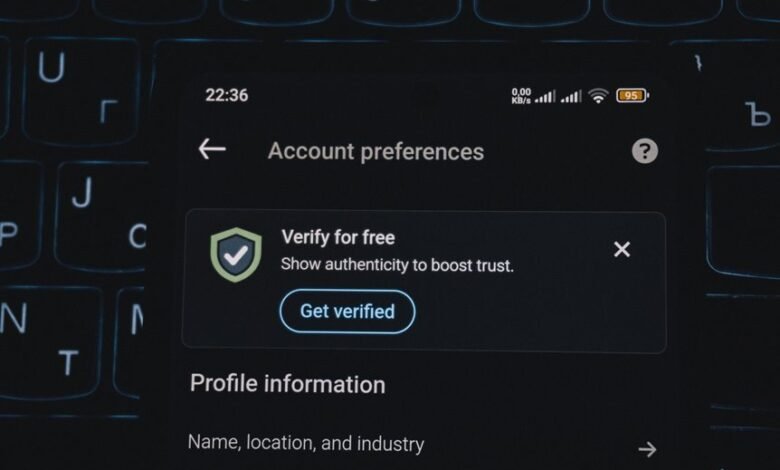
Verified profiles for these five numbers are examined for verification signals and status indicators that indicate ownership and legitimacy. The focus is on minimal, meaningful identifiers, trust badges, and visibility flags, while avoiding exposure of private data. Red flags and corroborating indicators are noted, with cross-checks against neutral observers to assess authenticity. This disciplined approach informs engagement readiness, yet leaves essential questions unresolved, inviting careful follow-up as verification details are brought to light.
How Verified Caller Profiles Work for These Numbers
How Verified Caller Profiles operate for these numbers hinges on a rigorous verification process that confirms identity and ownership before any profile is displayed. The framework emphasizes disciplined checks, safeguarding privacy while enabling access to verified data. Two word discussion ideas: profile mechanics, verification signals. In this context, concise governance and controlled disclosure support freedom while maintaining confidentiality and accountability.
What Each Profile Reveals at a Glance
Each profile presents a succinct snapshot of essential identifiers and status indicators, designed to convey trust without compromising privacy.


The page outlines Verified profiles briefly: Caller signals confirm legitimacy, Verified status provides clearance, and Trust indicators reflect confidence levels.
The display emphasizes minimal data exposure while offering actionable cues, enabling informed judgments about authenticity without revealing private details or exposing vulnerabilities.
Red Flags and Trust Signals to Spot Scams
Red flags and trust signals in verified caller profiles function as a concise diagnostic toolkit: subtle cues indicating legitimacy or potential risk are presented clearly, enabling rapid assessment without exposing private data.
How to spot impostors is streamlined: note red flags to ignore red flags to verify legitimacy, then rely on trust signals to confirm legitimacy to engage with confidence, discretion.
How to Verify Legitimacy Before Engaging
Verified engagement depends on a disciplined verification process built from the preceding red flags and trust signals. The procedure emphasizes verification protocols and careful assessment of caller identity before any engagement. Neutral observers document corroborating details, cross-checking numbers, accounts, and context. Consistent skepticism deters manipulation; concise questions and verifiable responses establish legitimacy while preserving user autonomy and privacy.
Conclusion
Conclusion (75 words, ironic, detached, concise and confidential):
Of course, verified profiles perfectly guarantee authenticity; all red flags vanish like polite polite refusals. Each number offers a tidy badge, a neat status, and just enough non-sensitive identifiers to prove ownership—yet nothing revealing enough to cause concern among discerning observers. Trust signals align, corroborations whisper harmony, and neutral observers casually corroborate legitimacy. It’s almost suspiciously flawless, inviting cautious optimism while reminding readers that flawless verification is the goal, not the reality.