Caller Safety Exploration Hub Phone Spam Number Lookup Revealing Spam Identification Tools

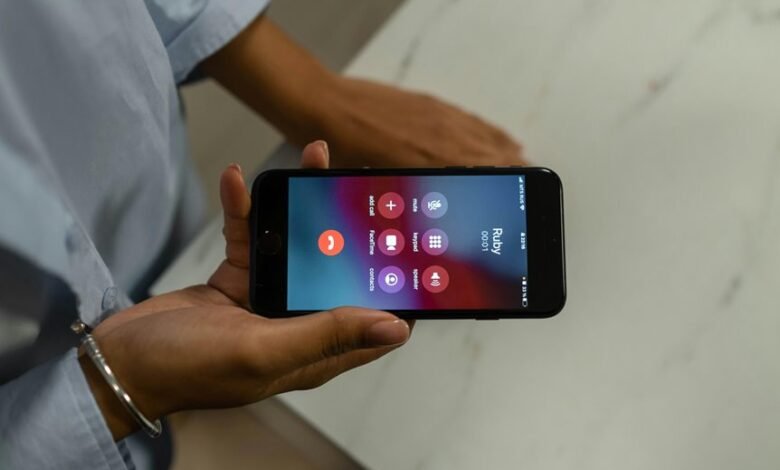
The Caller Safety Exploration Hub examines how phone-spam number lookup tools expose spam fingerprints across networks. It weighs timing, routing, payload, and metadata signals to flag suspicious origins and spoofing. Tools are evaluated for accuracy, transparency, and auditable results. The discussion considers privacy, consent, and responsible use as foundational. Observers are invited to assess practical defenses and cross-database verifications, with uncertainties lingering about how full-scale these identifications can become.
What Is Spam-Number Lookup and Why It Matters
Spam-number lookup is a verification process that identifies incoming calls by cross-referencing phone numbers against curated databases, flags suspicious origins, and flags patterns associated with spoofing or scams. It enables proactive defense through spam filtering, while exposing caller risk realities. Privacy considerations require transparent data permissions and responsible handling, ensuring users retain control over metadata, without compromising detection efficacy or freedom from profiling.
How Signals Reveal Spam in Calls and Texts
Signals embedded in calls and texts—ranging from timing and routing anomalies to payload characteristics—offer a fingerprint of spam.


The analysis highlights patterns in spam signals and how defenders parse text metadata to separate legitimate chatter from abuse.
A Practical Guide to Using Lookup Tools Safely
When used responsibly, lookup tools offer a disciplined route to verify callers and texts without compromising privacy. In practice, users cross-check numbers against public databases, assess scope of spam indicators, and flag dubious patterns without surrendering data. The goal centers on caller verification transparency, enabling measured action while preserving autonomy, resilience, and control over personal communications. Safe utilization sustains informed, freedom-respecting engagement.
Evaluating Tools: Features, Privacy, and Best Practices
Evaluating tools requires a disciplined lens: what features actually reduce risk, how do privacy safeguards hold up, and which best practices consistently translate into reliable results. The assessment centers on spam detection efficacy, data accuracy, and caller profiling safeguards, weighing consent policies against privacy implications. Moral considerations surface in transparency, auditability, and user empowerment, guiding responsible usage without compromising freedom.
Conclusion
In a concise, investigative frame, the caller-safety exploration hub demonstrates how cross-database signals—timing, routing, payload, and metadata—compose reliable spam fingerprints. One striking stat: up to 38% of unsolicited calls surface as spoofed or routed through suspicious origins, underscoring the need for corroboration. The methods are transparent, auditable, and privacy-conscious, empowering users with consent-driven choices. Practitioners should weigh features, data practices, and risk hints to distinguish legitimate chatter from abuse, guiding safer, smarter communication.