Modern robotic inground pool cleaners represent a remarkable convergence of sensor technology, intelligent navigation algorithms, and energy-efficient design. These machines map pool surfaces in real time, adapt their cleaning patterns to debris distribution, and optimize power consumption across varying pool geometries. Yet behind this sophistication lies a persistent challenge for manufacturers and developers: the absence of aggregated, real-world performance data that could drive continuous product improvement. How do you systematically gather competitor specifications, user sentiment from thousands of reviews, and performance benchmarks scattered across dozens of retail platforms and forums? Web scraping offers a powerful, scalable answer. By programmatically extracting and structuring this publicly available data, product teams can make informed decisions about feature development, pricing strategy, and quality improvements. This article explores how developers can leverage web scraping solutions to fuel innovation in robotic pool cleaner technology, from selecting the right tools to transforming raw data into actionable engineering insights.
Why Data is the New Fuel for Robotic Pool Cleaner Innovation
The robotic pool cleaner market has grown intensely competitive, with dozens of manufacturers vying for consumer attention through incremental improvements in suction power, filtration efficiency, wall-climbing capability, and app-based control. In this environment, engineering decisions based on intuition or limited internal testing simply cannot keep pace. The teams that win are those with superior external intelligence—systematically gathered data that reveals what the market actually demands and where competitors fall short.
The most valuable categories of external data include competitor product specifications such as motor wattage, brush types, cycle durations, and connectivity features listed across retail platforms. Pricing data across regions and seasons reveals positioning strategies and promotional patterns. User reviews on sites like Amazon, Home Depot, and specialty pool supply retailers contain unfiltered sentiment about real-world performance—battery life under load, debris handling in different pool shapes, and durability after extended use. Forum discussions on communities like Trouble Free Pool expose recurring failure modes, firmware complaints, and feature requests that never surface in structured reviews. Warranty and repair trend data, when accessible through public filings or service portals, highlights reliability gaps across product generations.


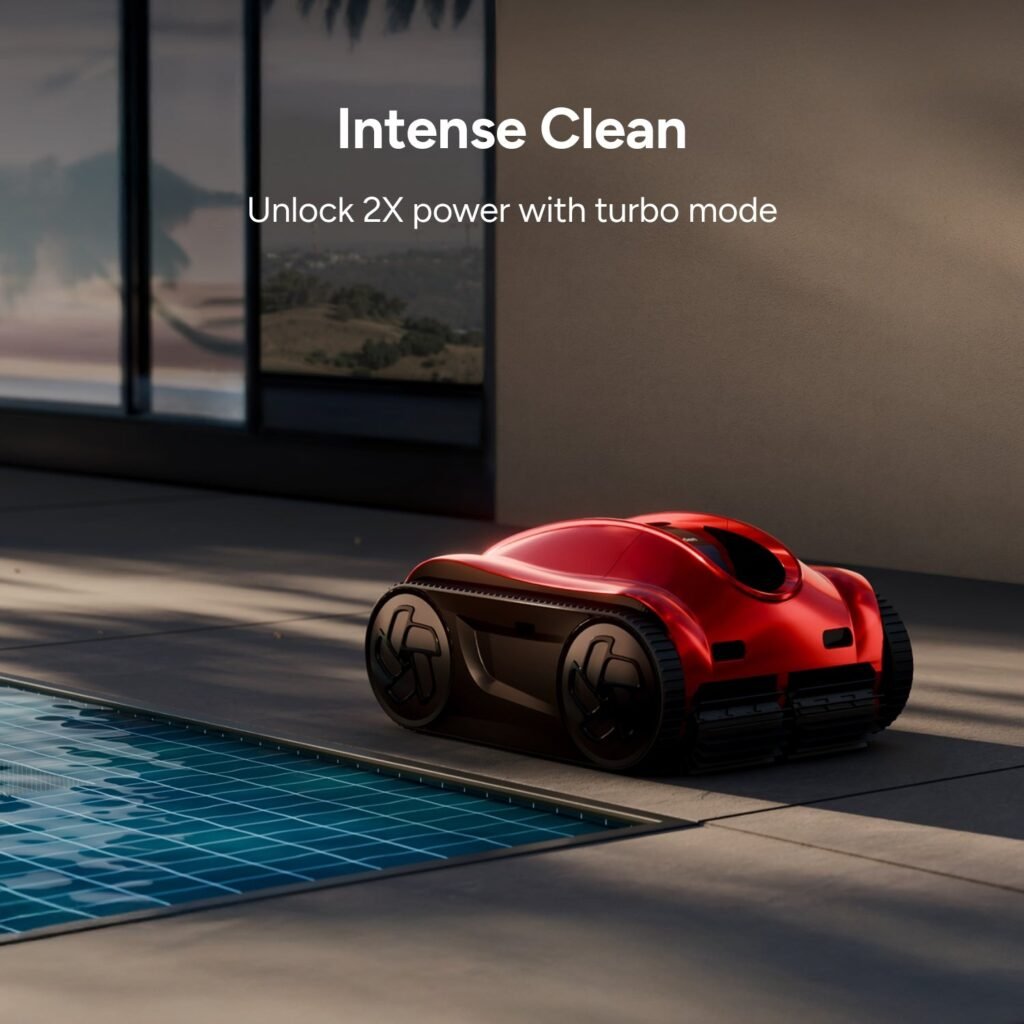
This intelligence directly fuels R&D prioritization: if hundreds of users report poor leaf pickup in kidney-shaped pools, that signals a navigation algorithm deficiency worth addressing. Marketing teams use sentiment analysis to refine messaging around proven strengths. Customer support improves when known issues are proactively documented. For developers, the challenge becomes building robust, maintainable scraping pipelines that deliver this data reliably—transforming scattered web content into structured datasets that the entire product organization can act upon.
See also: Smart Homes Paving the Way for a Technological Lifestyle Revolution
Choosing the Right Data Scraping Tools for the Job
Selecting appropriate data scraping tools requires developers to evaluate three critical dimensions before writing a single line of code. First, consider target website complexity. Many major retailers like Amazon and Home Depot rely heavily on JavaScript rendering to display product listings, meaning simple HTTP request libraries won’t capture dynamically loaded content such as review sections, pricing modules, or specification tables. You’ll need tools capable of headless browser automation or API interception to access this data reliably. Second, assess the scale of your data requirements. Scraping specifications for fifty pool cleaner models from a single retailer differs fundamentally from monitoring pricing changes across twenty platforms daily—the latter demands distributed architecture, proxy rotation, and robust error handling. Third, and critically, ensure legal and ethical compliance throughout your pipeline. Always review each target site’s robots.txt file to understand crawling permissions, examine terms of service for explicit prohibitions on automated access, and design your scraper to behave respectfully by limiting request frequency. Ignoring these boundaries risks IP bans, legal exposure, and reputational damage to your organization.
Evaluating Scraping Software and Libraries
For developers building custom solutions, Python’s ecosystem offers the most mature options. Beautiful Soup paired with the Requests library handles straightforward HTML parsing efficiently—ideal for static pages where product specs live in well-structured table elements. When you need to crawl thousands of pages with built-in concurrency, middleware support, and export pipelines, Scrapy provides a full framework that manages request scheduling, deduplication, and retry logic out of the box. For JavaScript-heavy sites where content loads asynchronously, Selenium or the more modern Playwright library drives a headless browser to render pages completely before extraction. Each approach involves tradeoffs: Beautiful Soup is lightweight but manual, Scrapy is powerful but has a steeper learning curve, and browser automation is thorough but resource-intensive and slower. Beyond developer-centric libraries, no-code scraping software like Octoparse or ParseHub enables marketing or product team members to extract data through visual point-and-click interfaces without engineering support. When evaluating any tool, prioritize active maintenance, comprehensive documentation, and community support—abandoned libraries quickly break as target websites update their structures.
Implementing a Web Scraping Solution: A Developer’s Blueprint
Building a production-ready scraping pipeline for robotic inground pool cleaner data requires methodical planning before any code is written. The following blueprint walks through the essential phases of a scraping project, from identifying targets to storing results ethically. Think of this as a reference architecture that you can adapt whether you’re gathering competitor specs from a single retailer or building a multi-source monitoring system that feeds directly into your product team’s decision-making workflow.
Step 1: Planning and Target Identification
Begin by defining precisely what data you need: model names, suction ratings, filtration types, cycle times, connectivity features, and customer ratings for robotic pool cleaners listed on major retail sites. Open your target pages in a browser, then use DevTools (Inspect Element) to examine the HTML structure. Identify the container elements holding product cards, the tags wrapping specification tables, and pagination patterns in the URL structure. Document CSS selectors or XPath expressions for each data point—this mapping becomes your scraper’s extraction logic and simplifies maintenance when page layouts change.
Step 2: Building the Scraper with Python Libraries
With your target structure mapped, implement the extraction logic. Using Requests and Beautiful Soup, a basic workflow looks like this: send a GET request to the product listing URL with appropriate headers (including a realistic User-Agent string), parse the response HTML with Beautiful Soup, then iterate over product containers using your documented selectors. For each product, extract text content from specification fields and store results in a list of dictionaries. Handle pagination by detecting the “next page” link and looping until no further pages exist. A simplified structure:
import requests
from bs4 import BeautifulSoup
results = []
url = “https://example-retailer.com/pool-cleaners?page=1”
while url:
response = requests.get(url, headers={“User-Agent”: “…”})
soup = BeautifulSoup(response.text, “html.parser”)
for item in soup.select(“.product-card”):
results.append({“name”: item.select_one(“.title”).text, “rating”: item.select_one(“.stars”).text})
next_link = soup.select_one(“a.next-page”)
url = next_link[“href”] if next_link else None
For JavaScript-rendered pages, replace the Requests call with Playwright’s page rendering, waiting for dynamic elements to load before passing the page source to Beautiful Soup for parsing.
Step 3: Data Storage and Ethical Considerations
Export your structured results to CSV for quick analysis, JSON for API consumption, or directly into a PostgreSQL database for integration with dashboards and analytics tools. Equally important is responsible scraping practice: insert time delays of two to five seconds between requests using Python’s time.sleep() to avoid overwhelming servers, check each domain’s robots.txt before scraping, and never attempt to bypass authentication or access restricted content. These measures protect both the target site’s infrastructure and your project’s long-term viability.
From Raw Data to Pool Cleaner Optimization Insights
Raw scraped data holds limited value until it undergoes cleaning, normalization, and analysis. The first step involves deduplicating records, standardizing measurement units across sources (converting between metric and imperial, normalizing battery capacity ratings), and handling missing fields gracefully. Product names often vary between retailers—”Dolphin Nautilus CC Plus” might appear as “Maytronics Nautilus CC+” elsewhere—so implementing fuzzy matching logic ensures accurate cross-platform comparisons. Once your dataset is clean, structured analysis reveals patterns invisible to casual observation.

Competitive gap analysis becomes straightforward when you align your product’s specifications against a normalized table of competitor features. If every top-rated cleaner in your scraped dataset offers Wi-Fi connectivity and smartphone scheduling while your current model relies on a physical timer, that gap becomes an urgent development priority. Similarly, scraping and aggregating review text enables natural language processing techniques—keyword extraction and sentiment scoring—that surface recurring pain points. When three hundred reviews across multiple retailers mention “gets stuck on pool steps,” you’ve identified a navigation algorithm weakness worth engineering resources. Tracking these complaint frequencies over firmware versions reveals whether updates actually resolve issues or introduce new ones.
Price trend analysis across seasons and regions informs both positioning strategy and promotional timing. If competitors consistently discount during spring months to capture pre-season buyers, your team can plan counter-strategies or identify underserved price segments. These insights feed directly into hardware decisions—motor selection, brush material upgrades, sensor placement—and software refinements like smarter path planning for irregular pool shapes. The scraping pipeline transforms from a data collection exercise into a continuous intelligence system that shortens development cycles and aligns product evolution with demonstrated market needs.
Building a Data-Driven Future for Smart Pool Automation
The relationship between robotic pool cleaner technology and web scraping represents a broader shift in how physical products evolve through digital intelligence. Rather than relying on isolated internal testing or anecdotal customer feedback, manufacturers now have the means to continuously harvest structured insights from the entire market ecosystem—competitor launches, pricing movements, user sentiment, and emerging feature expectations. Web scraping solutions give developers and product teams a systematic advantage, replacing guesswork with evidence-based prioritization that accelerates meaningful innovation.
As robotic inground pool cleaners grow more sophisticated—integrating computer vision, predictive maintenance algorithms, and deeper smart home connectivity—the data requirements for staying competitive will only intensify. Smart home platforms like iGarden are already demonstrating how connected ecosystems benefit from data-driven product development, and the same principles apply to pool automation. Teams that invest now in ethical, well-architected scraping pipelines position themselves to respond faster to market signals, resolve quality issues before they escalate, and deliver features that genuinely align with consumer needs. This principle extends well beyond pool maintenance into the broader smart home and IoT landscape, where continuous external data gathering is becoming not just an advantage but a prerequisite for sustained product relevance. The developers who master these techniques today will shape the next generation of intelligent, responsive consumer devices.