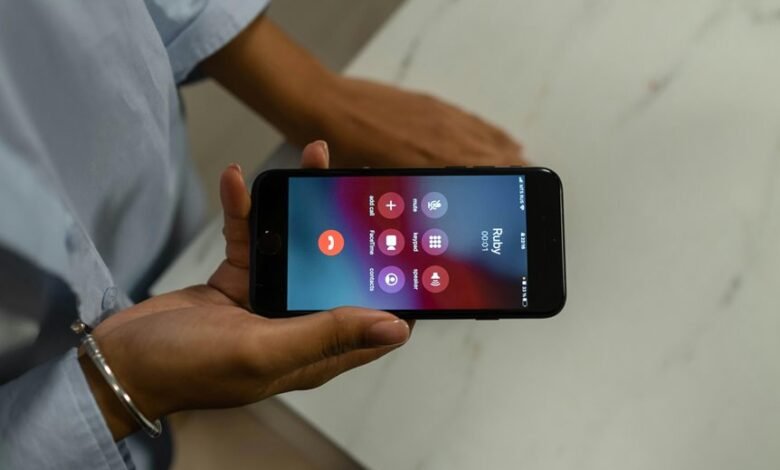
Caller Safety Insight Hub explains how phone-number scams exploit urgency and trust. The guide outlines warning signs, then offers a clear verification framework: questions about ownership of the number, call origin, and verifiable details. It emphasizes independent confirmation through official channels and avoiding sharing sensitive data. The tone is measured, skeptical, and detached, encouraging verification before action. The method ends with practical steps to document anomalies and pause choices, inviting scrutiny of the next step.
What Is This Phone Number Scam and How It Works
Phones number scams exploit legitimate-looking callers to induce trust and urgency, tricking individuals into revealing sensitive data or transferring funds.
The scheme relies on impersonation, spoofed headers, and urgent demands for verification.


Victims often provide credentials or make hurried transfers.
To counter, maintain phishing awareness and implement scam verification steps, such as independent checks and verifiable contact channels before action.
Red Flags to Spot Before Answering or Sharing Info
Red flags emerge at the outset when unknown calls demand immediate action, request sensitive data, or invoke authoritative pressure. The scene shifts to caution: skepticism governs judgment, not compliance. Red flags signal potential harm, guiding restraint in sharing information. Caller safety hinges on verification, independent contact channels, and intentional refusal to engage unnecessary disclosures. Freedom-loving audiences prioritize informed, purposeful boundaries.
Step‑by‑Step Verification Queries You Can Use
To assess caller legitimacy, a structured sequence of verification questions is employed. The procedure presents step‑by‑step prompts, maintaining detachment and skepticism while protecting autonomy. Queries focus on verifiable facts, not emotions: ownership of the phone number, origin, and corroborating details.
Effective scam verification demands concise responses, independent verification, and cautious disclosure to avoid manipulation or unnecessary risk.
Practical Protections and Quick Actions for Daily Safety
Practical protections and quick actions for daily safety emphasize straightforward, repeatable habits that reduce risk without overreacting. The guidance remains skeptical yet practical: keep distance from unfamiliar numbers, verify via official channels, and document anomalies. In daily routines, emphasize verification steps and monitoring. A calm, deliberate approach minimizes exposure to phone scam tactics while preserving personal autonomy and freedom to decide.
Conclusion
This article presents a precautionary theory: most phone-number scams falter when victims pause, verify, and detach emotionally. A skeptical lens tests the claim by favoring independent confirmation—calling official channels, cross-checking caller IDs, and avoiding rushed concessions. While some scams exploit technology to appear legitimate, disciplined verification strategies consistently reduce risk. The conclusion: verify ownership, origin, and verifiable details through trusted sources before action; autonomy and data protection hinge on deliberate, non-reactive checks rather than credulity.