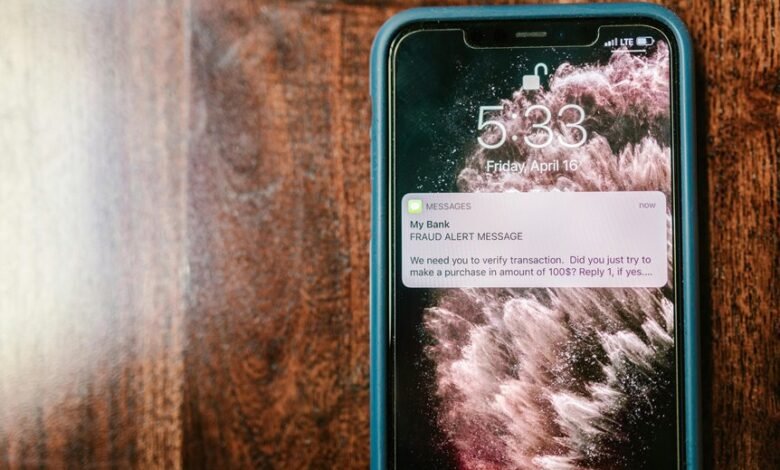
Phone verification queries can secure access when used properly, but they also invite spoofing risks. The scam-detection perspective should be data-driven, noting caller details, official directory checks, and inconsistencies. A disciplined workflow separates legitimate requests from fraudulent ones, yet no method is foolproof. The balance between automation and human judgment matters. The topic invites careful scrutiny of thresholds and false positives, and implies there is more to uncover about how verification prompts are exploited.
What Is Phone Verification Query and Why It Matters
Phone verification queries are requests to confirm a user’s phone number, typically by sending a one-time code or by responding to a challenge prompt. They enable secure access but raise risk when used under misleading pretenses.
Data show mixed effectiveness; accuracy hinges on context.


For freedom-minded readers, understanding is essential: verify sources, monitor prompts, and maintain scam awareness to protect personal sovereignty.
Red Flags and Signs of Number Spoofing in Verification Calls
Number spoofing in verification calls undermines trust by making fraudulent callers appear legitimate, a problem that becomes clearer when contrasting claimed safeguards with observed behaviors from the prior discussion on phone verification queries.
Red flags emerge: inconsistent caller ID, urgent pressure, requests for verification queries, vague company details, and spoofing signs like parallel numbers. Callers exploit caller ID tricks to mislead and evade scrutiny.
Practical Steps to Verify Call Authenticity Before Responding
Practical steps to verify call authenticity before responding require a disciplined, data-driven approach. Analysts emphasize documenting the caller’s number, duration, and call context for verification calls. Cross-check with official directories and known spoofing indicators, such as mismatched caller ID, unsolicited urgency, and inconsistent messaging. Maintain skeptical posture, avoid disclosures, and pause before action, ensuring decisions are guided by verifiable evidence rather than impulse.
Tools, Tips, and Best Practices for Scam Detection in 2024
In 2024, effective scam detection hinges on a disciplined, evidence-based workflow that combines technical controls, behavioral indicators, and ongoing education; practitioners should combine automated screening with manual verification to minimize false positives and maximize actionable insights.
Tools emphasize identity validation and social engineering awareness, with robust threat intel, transparent scoring, and continuous validation to preserve user autonomy while reducing risk.
Conclusion
Phonetic echoes of trust, these verification prompts demand scrutiny, not surrender. The data speaks: inconsistent caller details, urgency cues, and anomalous requests correlate with spoofing far more than routine validation. If defenses rely solely on reflexive compliance, vulnerability widens—akin to shadows in a lit street. A disciplined workflow—documenting, cross-checking, and triangulating with official directories—anchors legitimacy. In this landscape, vigilance is the constant, and skepticism is the most reliable safeguard.